
Why Small Dog Breeds Need Extra Dental Care with Your Local Animal Vet
Understanding the unique dental needs of small dog breeds is essential for maintaining their overall health. In this article, we explore why small dogs require extra dental care and the role your local animal vet can play in ensuring their oral hygiene.
The Importance of Dental Care in Small Dogs
Increased Risk of Dental Disease
Small dogs face a heightened risk of dental disease due to their unique anatomical features. Their compact mouth structure leads to overcrowded teeth, creating an ideal environment for plaque and tartar accumulation. This can rapidly progress to periodontal disease if not managed properly. Vets often stress the importance of early and regular dental checks for small breeds. According to Ciro.io, there are 21,226 veterinary practices across the United States, which reflects the widespread need for specialized dental care for small breeds.
Consequences of Ignoring Dental Health
Dental neglect can severely affect a small dog's quality of life and overall health. Failure to address oral issues can result in chronic pain, tooth loss, and systemic infections. As dental disease advances, bacteria from the mouth can enter the bloodstream, potentially leading to heart, kidney, and liver problems. Ignoring dental health is not only costly in terms of veterinary bills but also carries emotional costs for pet owners whose pets suffer unnecessarily. Regular communication with a vet is crucial to avoid these pitfalls.
Comparative Analysis with Larger Breeds
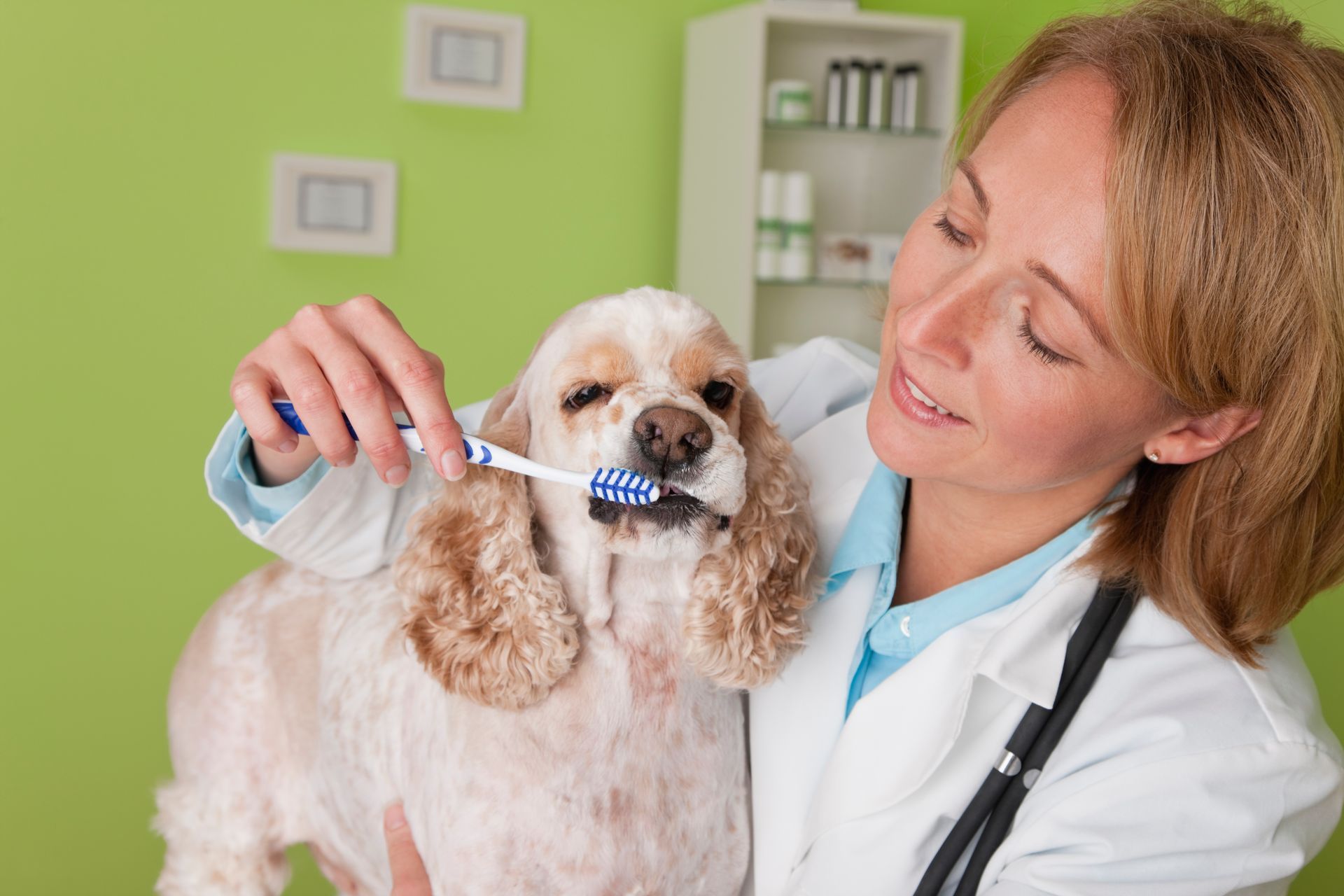
Small breeds differ significantly from their larger counterparts in their dental health needs. While all dogs are susceptible to dental problems, the risk factors are pronounced in smaller dogs due to their jaw conformation. Larger breeds tend to have more spaced teeth, which help naturally clean teeth during chewing. However, small dogs often need proactive measures like daily brushing to maintain oral health. Veterinary practices throughout the U.S. emphasize this point through educational materials and consultations.
How Oral Health Affects Overall Well-being
Oral health is inextricably linked to a dog's overall well-being. Maintaining healthy teeth and gums prevents painful conditions that can affect eating habits and physical activities. Moreover, good oral hygiene reduces inflammation, which is crucial for a healthy immune system. In small dogs, whose metabolic rates are relatively higher, this is particularly significant. Pet owners must recognize these connections to adopt a comprehensive dental care plan.
Statistics on Dental Issues in Small Breeds
Statistics reveal that approximately 80% of dogs show signs of oral disease by age three, with small breeds representing the majority of severe cases. This prevalence necessitates focused dental care strategies tailored to small dogs. Regular vet visits allow for early diagnosis and management of issues before they escalate. The availability of 21,226 veterinary practices across the U.S. provides pet owners with ample opportunities to maintain their pet's dental health. The investment in preventative care is both a medical and economic benefit.
Common Dental Problems in Small Dog Breeds
Periodontal Disease
Periodontal disease is prevalent in small dog breeds, often beginning with gingivitis and progressing if untreated. This condition is caused by the accumulation of plaque and tartar, which leads to inflammation and infection of the gums. Small breeds are particularly susceptible due to closer tooth spacing and less natural cleaning. Vets often highlight the importance of early intervention to prevent the systemic spread of bacteria, which can affect vital organs. Routine cleanings at the vet's office are essential to halt the progression of periodontal disease.
Tooth Decay and Cavities
Tooth decay and cavities, though less common in dogs than in humans, are still significant concerns, particularly in small breeds. These dogs often retain baby teeth longer, which can lead to overcrowding and create niches for plaque accumulation. Small dogs' diets can also exacerbate this problem if they include sugary treats that promote decay. Vets recommend a diet designed for dental health and regular teeth cleaning to prevent cavities. Professional cleanings are necessary to reach areas that are difficult to clean during home care.
Gum Disease
Gum disease is another prevalent issue that small dog breeds face, which directly affects their dental health. This condition arises when bacteria infect the gums, leading to pain and inflammation. If left untreated, gum disease can cause tooth loss, which further complicates the dog's health. Regular veterinary check-ups are vital for early detection and management of gum disease. These visits also provide a platform for pet owners to learn effective home dental care practices from their vets.
Malocclusion in Small Dogs
Malocclusion, or misalignment of the teeth, is particularly common in small dogs due to their compact jaw structures. This can lead to difficulty eating, pain, and the development of other dental issues if not addressed. Malocclusion may also contribute to uneven wear of teeth and increased plaque buildup in inaccessible areas. Vets often recommend specific interventions, such as orthodontic treatments or tooth extraction, depending on the severity. Understanding and addressing malocclusion early can prevent future dental complications.
Tooth Loss and Its Implications
Small dogs are prone to tooth loss due to periodontal disease or trauma from chewing hard objects. Missing teeth can impair their ability to eat properly and digest food efficiently, leading to nutritional deficiencies. Tooth loss may also alter a dog's bite, requiring changes in diet and eating habits. Regular dental assessments by a vet are crucial to prevent tooth loss and maintain a small dog's quality of life. Managing tooth loss effectively involves a combination of preventative care and dietary adjustments.
Understanding the Unique Dental Anatomy of Small Dogs
Compact Jaw Structure
The compact jaw structure of small dogs presents unique challenges for their dental health. This anatomical feature often leads to overcrowded teeth, which can exacerbate plaque buildup and lead to periodontal disease. With less space between the teeth, cleaning becomes more difficult, necessitating specialized dental care routines. Understanding how this structural feature impacts dental health helps vets tailor prevention and treatment strategies. Pet owners are encouraged to work closely with veterinarians to manage these anatomical challenges effectively.
Teeth Overcrowding Issues
Overcrowding is a significant issue in the dental anatomy of small dogs, often resulting from retained puppy teeth. This condition creates small crevices that trap food and bacteria, leading to rapid plaque development and eventual disease. Small dogs require consistent monitoring and, at times, surgical interventions to alleviate overcrowding. Vets can recommend appropriate solutions, including tooth extraction or alignment corrections. Proactive care and regular dental visits help mitigate the complications associated with overcrowding in small breeds.
Bite and Alignment Differences
Bite and alignment issues are notably more common in small dog breeds than in larger dogs. Misaligned teeth can cause stress on certain teeth, leading to premature wear and dental pain. These alignment issues may necessitate specialized orthodontic treatment or adjustments to the dog's dental care routine. Vets are equipped to diagnose and manage these bite issues through advanced diagnostic tools and treatment plans. Collaboration between pet owners and veterinarians is essential to ensure proper dental alignment and function.
Saliva Production and Its Role
Saliva production plays a crucial role in maintaining oral health, but issues can arise, particularly in small dogs, due to their anatomy. Saliva helps wash away food particles and neutralize acids produced by bacteria. In some small breeds, insufficient saliva or its altered distribution can lead to rapid tartar accumulation and increased risk of dental disease. Understanding and addressing abnormalities in saliva production can aid in devising effective dental care strategies. Regular vet consultations can help monitor and manage any saliva-related dental concerns.
Ensuring optimal dental care for small dog breeds is pivotal in extending their lifespan and enhancing their quality of life. Regular check-ups and a comprehensive dental care plan with your local animal vet can effectively mitigate the risks associated with dental diseases in small dogs. If you're looking for an animal vet to help take care of your pet's dental needs, reach out to Midtown Veterinary Clinic today!

Share On: