

How Stress-Free Animal Clinic Visits Improve Long-Term Health for Indoor Cats
According to the American Pet Products Association, 49 million U.S. households own a cat, and many can attest to the difficulty of bringing their indoor furry friends to animal clinics. From hiding under furniture to vocal protests in the carrier, cats are famously sensitive to changes in their environment. While these reactions may seem like temporary inconveniences, the stress associated with veterinary visits can have real, lasting effects on a cat’s health. Creating stress-free animal clinic experiences is not just about convenience; it plays a critical role in supporting long-term wellness for indoor cats.
Indoor cats often live longer than outdoor cats, but longevity also increases the importance of consistent preventive care and early detection of health issues. When veterinary visits are calm and low-stress, cats are more likely to receive timely care, and veterinarians can perform more thorough examinations. Over time, this positive cycle contributes to better physical health, reduced anxiety, and improved quality of life.
Understanding Stress in Indoor Cats
Cats are creatures of routine, and indoor cats in particular become deeply attached to their familiar surroundings. A trip to the animal clinic disrupts their sense of safety with unfamiliar smells, sounds, people, and other animals. This disruption can trigger a stress response that includes elevated heart rate, increased blood pressure, and the release of stress hormones like cortisol.
While short-term stress may pass quickly, repeated stressful experiences can have cumulative effects. Chronic stress in cats has been linked to weakened immune function, digestive issues, behavioral problems, and even urinary tract disease. For indoor cats, who may already have limited outlets for stress relief, negative veterinary experiences can become a recurring source of anxiety that affects their overall well-being.
The Link Between Stress and Avoidance of Veterinary Care
One of the biggest consequences of stressful clinic visits is avoidance—both by cats and their owners. When a cat becomes extremely distressed during veterinary trips, owners may delay or skip routine checkups to avoid causing discomfort. Unfortunately, this often leads to missed opportunities for early diagnosis and preventive treatment.
Indoor cats are especially prone to “silent” illnesses. Because they are observed in a controlled environment, subtle changes in behavior or appetite may go unnoticed until a condition becomes advanced. Stress-free animal clinic visits encourage more frequent and consistent checkups, increasing the likelihood that health concerns are identified and treated before they progress.
How Stress Affects Physical Health Over Time
Stress has a measurable impact on a cat’s body. Elevated stress levels can suppress the immune system, making cats more susceptible to infections and slowing recovery from illness or injury. Over time, chronic stress may contribute to inflammatory conditions and exacerbate existing health issues.
For indoor cats, stress is also closely associated with feline lower urinary tract disease, a common and potentially serious condition. Anxiety and environmental stressors are known triggers for urinary issues, including painful inflammation and blockages. Minimizing stress during veterinary visits helps reduce overall stress load, which can lower the risk of stress-related conditions developing or recurring.
The Role of Fear-Free and Cat-Friendly Clinics
Many modern animal clinics are adopting fear-free or cat-friendly approaches specifically designed to reduce stress. These clinics focus on gentle handling techniques, quiet waiting areas, feline-only appointment times, and calming pheromones that help cats feel more at ease.
When indoor cats are treated in environments designed with their emotional needs in mind, they are less likely to associate the clinic with fear. Over time, repeated positive or neutral experiences can reshape their expectations, making future visits calmer and more manageable. This shift has a direct impact on long-term health by ensuring that cats receive regular, high-quality veterinary care.
Improved Accuracy During Veterinary Examinations
Stress can interfere with the accuracy of veterinary exams. An anxious cat may have elevated heart and respiratory rates, tense muscles, or resistance to handling, making it difficult for veterinarians to assess true baseline health. In some cases, stress-related symptoms can mimic or mask underlying conditions.
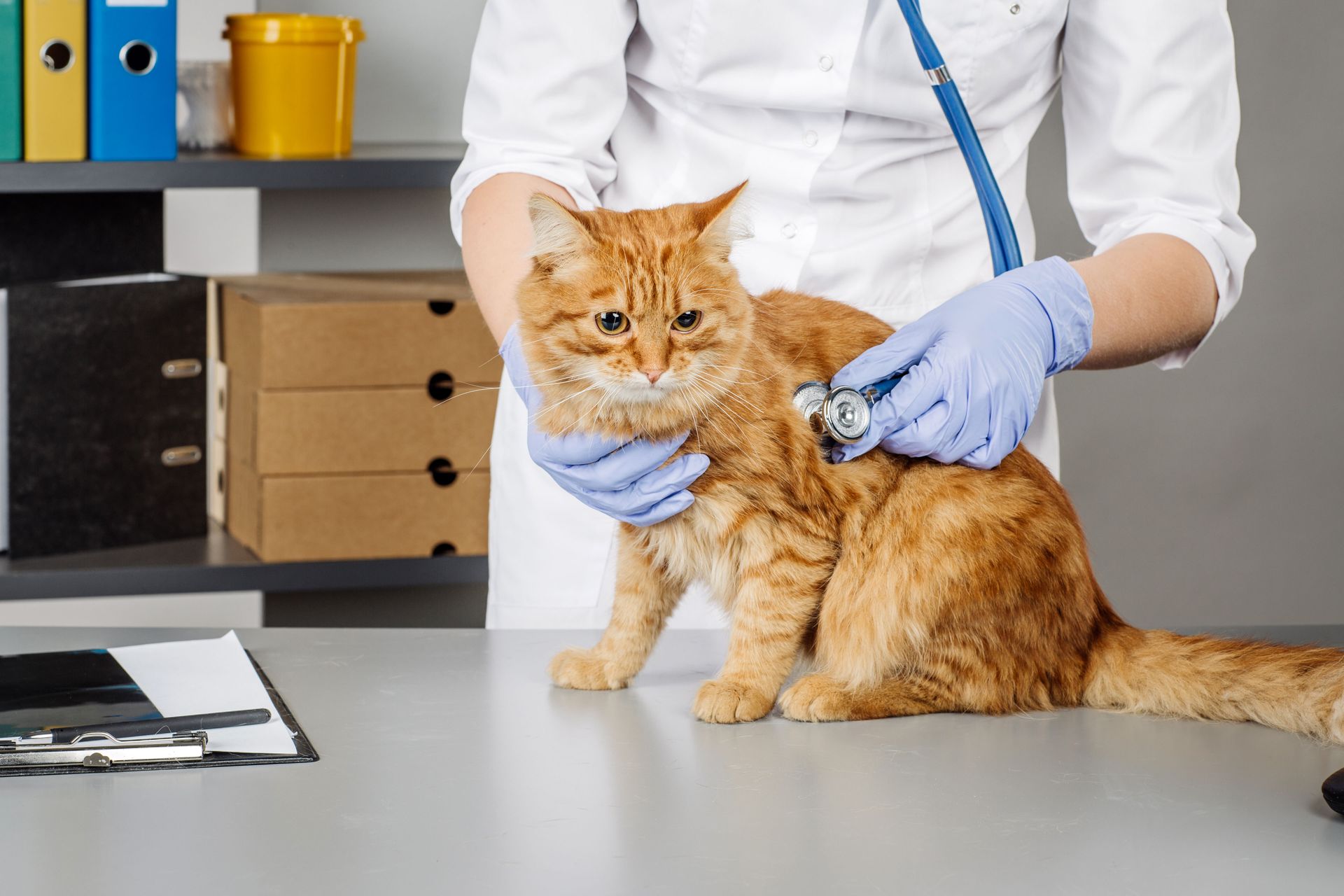
Stress-free animal clinic visits allow veterinarians to perform more thorough and accurate examinations. When a cat is calm, it is easier to check vital signs, palpate the abdomen, examine the mouth and ears, and observe natural movement. Accurate assessments lead to better diagnoses, more appropriate treatment plans, and improved long-term outcomes.
Supporting Preventive Care and Early Detection
Preventive care is the foundation of long-term health for indoor cats. Routine wellness exams, vaccinations, dental checks, and blood tests help detect issues early, often before visible symptoms appear. Stress-free clinic visits make it more likely that these preventive services are performed consistently.
Early detection is especially important for age-related conditions such as kidney disease, diabetes, arthritis, and heart disease. Indoor cats may hide discomfort or adapt their behavior subtly, making regular veterinary screenings essential. When animal clinic visits are calm and positive, cats can benefit from proactive care that extends both lifespan and quality of life.
The Impact on Behavioral and Emotional Well-Being
A cat’s emotional health is closely tied to physical health. Stressful experiences can lead to long-term behavioral changes, including aggression, withdrawal, inappropriate elimination, or excessive grooming. These behaviors not only affect the cat’s quality of life but can also strain the bond between cat and owner.
Stress-free animal clinic visits help protect a cat’s emotional well-being by reducing fear and anxiety associated with medical care. Cats that feel safe during veterinary visits are less likely to develop negative associations that spill over into their behavior at home. Over time, this contributes to a calmer, more confident cat who copes better with life’s routine changes.
Building Trust Between Cats, Owners, and Veterinarians
Trust is a crucial element of effective veterinary care. When indoor cats experience gentle, low-stress handling at the clinic, they gradually learn that veterinary visits are not inherently threatening. This trust extends to the veterinarian, making future exams and treatments smoother and less traumatic.
For owners, stress-free visits also build confidence in seeking care. When trips to the clinic are manageable, owners are more likely to ask questions, follow up on concerns, and adhere to recommended care plans. This collaborative relationship supports better long-term health outcomes for indoor cats.
Long-Term Health Benefits of Consistent, Low-Stress Care
Over the course of a cat’s life, the cumulative benefits of stress-free veterinary care become clear. Regular checkups, accurate diagnostics, timely treatments, and proactive preventive care all contribute to better health outcomes. Indoor cats that experience low-stress clinic visits are more likely to maintain stable weight, healthy organ function, and strong immune systems as they age.
Additionally, reduced stress supports faster recovery from illness or surgery and improves response to treatment. Cats that are emotionally comfortable during medical care tend to tolerate medications and follow-up visits better, further enhancing long-term health and comfort.
Enhancing Quality of Life for Aging Indoor Cats
As indoor cats enter their senior years, veterinary visits often become more frequent. Managing chronic conditions, monitoring mobility, and adjusting nutrition all require ongoing professional care. Stress-free animal clinic visits are especially important for older cats, who may be less resilient to stress and environmental changes.
A calm, supportive clinic experience helps senior cats receive the care they need without unnecessary distress. This focus on comfort and emotional well-being plays a key role in preserving dignity, mobility, and overall quality of life during a cat’s later years.
Stress-free animal clinic visits are far more than a luxury; they're a vital component of long-term health for indoor cats. By minimizing anxiety, supporting preventive care, and fostering trust between cats, owners, and veterinarians, low-stress visits create a foundation for healthier, happier lives. Our team at Midtown Veterinary Clinic in Newbury Park, CA is proud to offer a stress-free experience for your furry friend. Contact us today to schedule an appointment!

Share On: