
The Essential Role of Animal Vets in Preventive Pet Care
Owning a pet is a joyful and rewarding experience, but it also comes with responsibilities that go beyond feeding and playing. Ensuring your pet remains healthy throughout its life requires proactive care, attention, and regular medical checkups. Preventative pet care is essential to avoiding serious illnesses, detecting potential health problems early, and promoting overall well-being. Animal vets play a crucial role in guiding pet owners on the best practices for keeping their furry friends safe, healthy, and happy.
Veterinarians are more than just emergency responders: they're the frontline defense against diseases that can impact pets’ quality of life. By establishing a strong relationship with a veterinarian, pet owners can receive tailored advice on diet, vaccinations, parasite prevention, dental care, and behavioral health. These preventive measures are designed not only to protect pets but also to reduce long-term medical costs by catching health concerns before they escalate. Explore the multifaceted role of vets in preventative care and their importance in maintaining the well-being of pets of all ages.
Providing Regular Health Examinations and Vaccinations
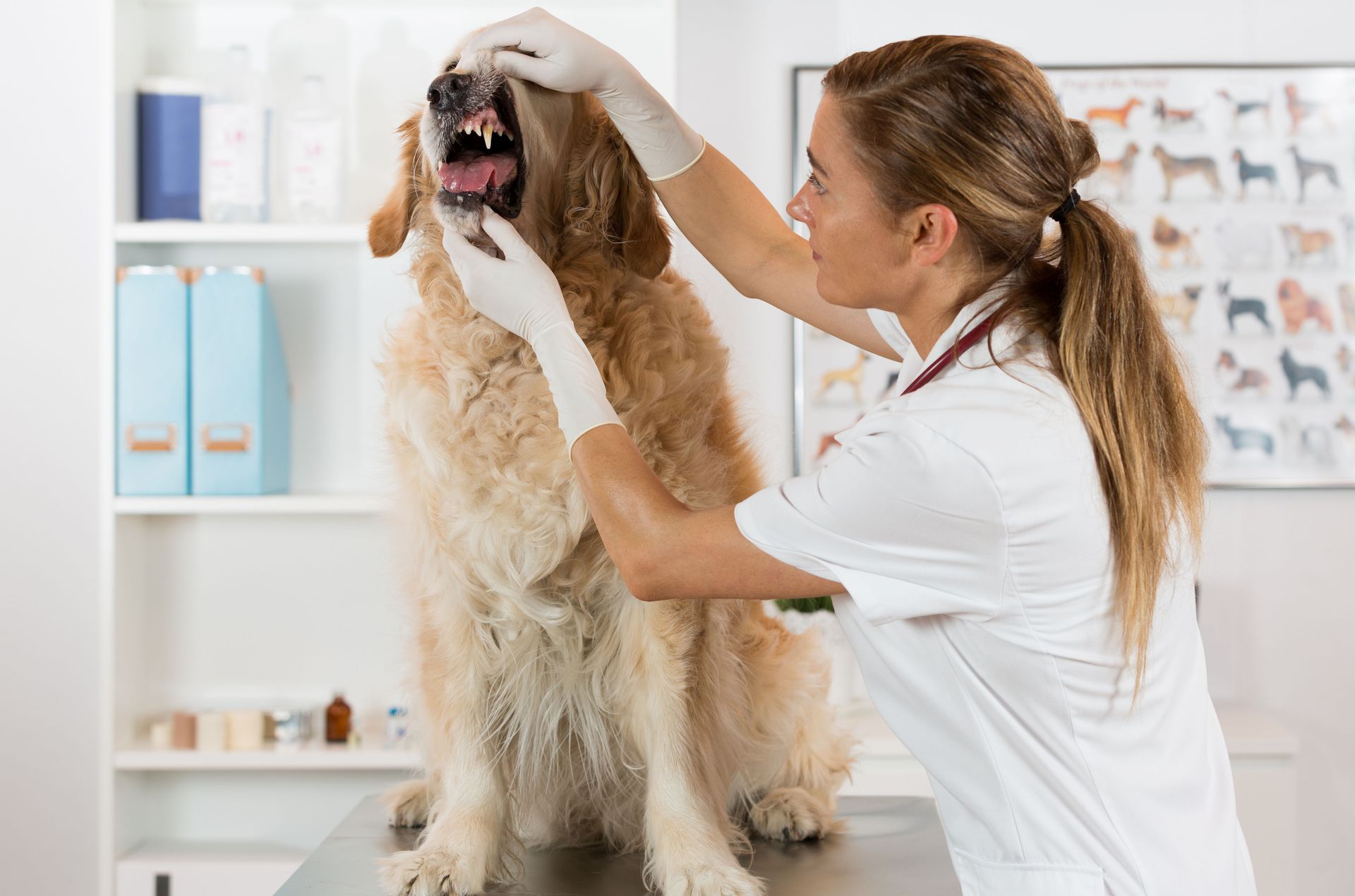
One of the most important aspects of preventative pet care is routine health examinations. In our experience, pets should receive annual or semi-annual checkups, depending on their age, breed, and medical history. During these examinations, veterinarians conduct comprehensive physical assessments, review medical history, and perform necessary laboratory tests. Early detection of conditions such as diabetes, kidney disease, or heart problems can make treatment more effective and less invasive.
Vaccinations are another critical component of preventative care. Animal vets ensure pets are protected against infectious diseases such as rabies, distemper, and parvovirus. By adhering to vaccination schedules, pet owners help maintain herd immunity within the pet population while safeguarding their own animals from potentially fatal illnesses. Preventative immunizations, combined with routine checkups, form a strong foundation for lifelong health. Vets provide guidance on booster shots and emerging vaccines, keeping pets protected against evolving health threats.
Routine health assessments also allow veterinarians to address lifestyle factors that impact a pet’s overall well-being. For instance, veterinarians can evaluate diet, weight, and activity levels, recommending adjustments to prevent obesity, malnutrition, or joint problems. Dental health is another area often monitored during checkups, as untreated oral issues can lead to systemic illnesses. By emphasizing the importance of regular visits, vets empower owners to take a proactive approach to their pet’s health, ensuring early intervention and better outcomes.
Offering Nutritional Guidance and Lifestyle Advice
Veterinarians play a pivotal role in advising pet owners on proper nutrition and lifestyle choices. Just as with humans, diet and exercise are fundamental to a pet’s overall health. A balanced, species-appropriate diet can prevent obesity, diabetes, and gastrointestinal issues, while regular exercise helps maintain muscle tone, cardiovascular health, and mental stimulation. Vets can assess the specific needs of individual pets, recommending diet plans tailored to their breed, age, and activity level.
In addition to diet, animal vets often provide guidance on environmental enrichment. Mental stimulation through play, training, and interaction is essential for a pet’s cognitive development and emotional well-being. Recommendations may include interactive toys, regular walks, or puzzle feeders to keep pets engaged and prevent behavioral problems. By addressing both nutrition and lifestyle, veterinarians support a holistic approach to preventative care, ensuring pets not only live longer but also enjoy higher quality lives.
Preventive guidance also extends to managing common household hazards. Vets educate pet owners on safe living environments, advising on toxic foods, plants, and chemicals to avoid. They may also suggest modifications to the home to reduce injury risks, particularly for young or senior pets. This proactive approach minimizes the likelihood of accidents and promotes a safe, comfortable environment for pets.
Preventing Parasites and Managing Diseases
Parasites such as fleas, ticks, and heartworms pose a significant threat to pet health. Animal vets are crucial in preventing infestations and managing the spread of these harmful organisms. They provide effective treatment options and advise on ongoing preventative measures, including topical applications, oral medications, and environmental controls. Preventing parasite infestations not only protects the pet but also reduces the risk of zoonotic diseases that can affect humans.
Vets also educate pet owners on the signs of common illnesses and conditions, ensuring early intervention when symptoms appear. From skin infections to respiratory problems, veterinarians help identify health issues before they become serious. Preventative screenings, such as blood tests and fecal exams, are key components in monitoring for hidden infections or parasites. These proactive steps minimize suffering, lower treatment costs, and often result in better outcomes for pets.
The veterinary industry itself is rapidly expanding, reflecting increased awareness of pet health and preventative care. According to Globe Newswire, the size of the animal hospitals and veterinary clinics market is forecasted to reach $157.88 billion in size with a CAGR of 6.7% by 2028. This growth highlights the increasing investment in professional services dedicated to maintaining animal health, demonstrating how central preventative care has become to pet ownership.
Conducting Early Detection Through Screening and Diagnostics
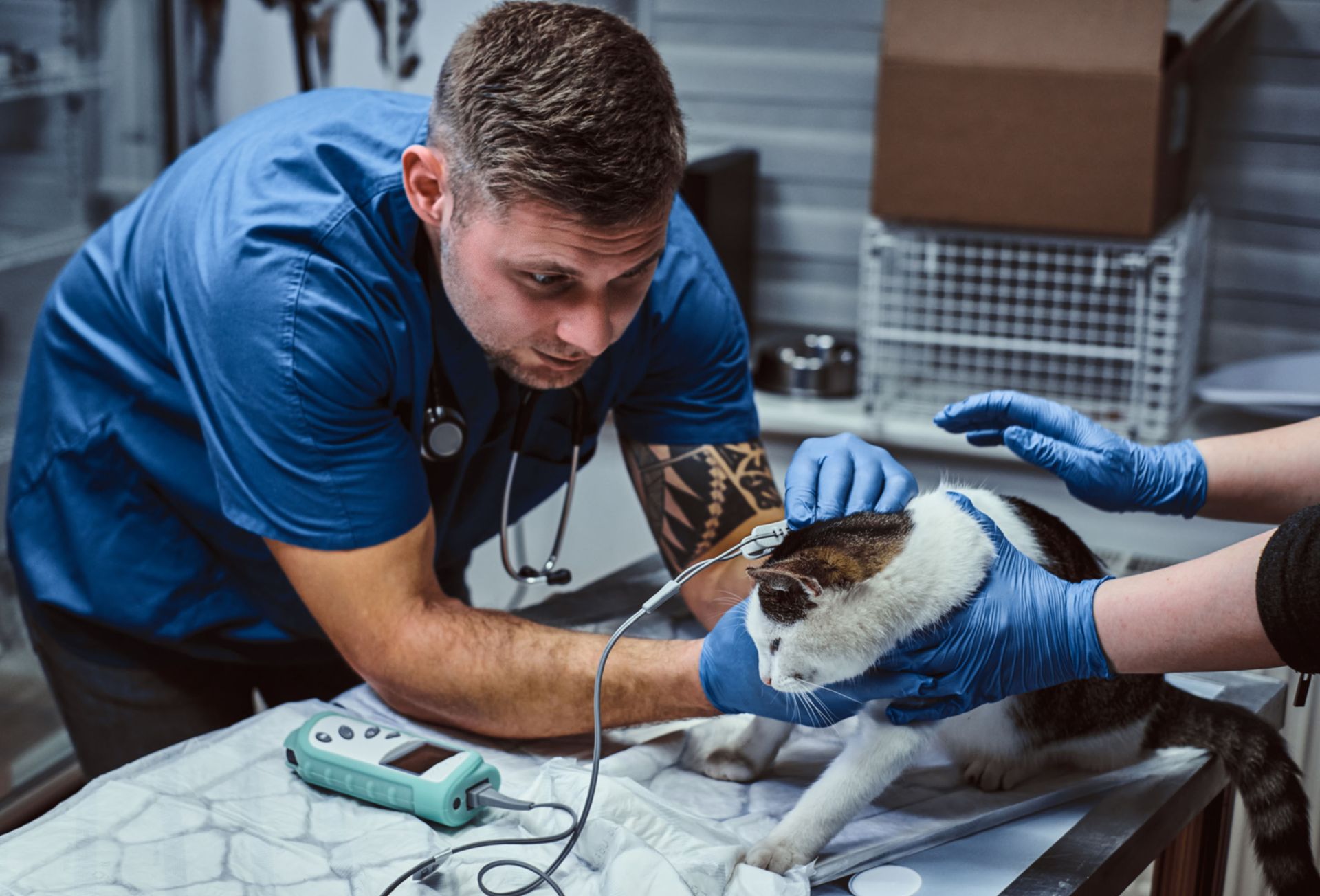
Early detection is a cornerstone of preventative veterinary care, and vets utilize a variety of diagnostic tools to identify potential health issues before they escalate. Routine blood work, urinalysis, and imaging technologies such as X-rays and ultrasounds allow veterinarians to monitor organ function, detect tumors, and assess internal systems with precision. Early intervention often results in simpler, more effective treatments, improving the prognosis and quality of life for pets.
Animal vets also provide breed-specific screenings to identify genetic predispositions to certain conditions. For example, certain dog breeds may be prone to hip dysplasia, heart problems, or eye disorders. By performing targeted screenings, veterinarians can detect early warning signs and recommend preventative measures, such as lifestyle adjustments or supplements. This proactive approach is especially valuable for pets with hereditary health risks, offering owners the ability to manage potential problems before they become severe.
Diagnostics also extend to behavioral health. Subtle changes in behavior can be indicators of underlying medical conditions or stress-related issues. Vets are trained to recognize these signals and suggest interventions ranging from environmental modifications to therapy or medications. By addressing behavioral concerns alongside physical health, veterinarians offer a comprehensive approach to preventative care that supports both mental and physical well-being.
Veterinarians are essential partners in ensuring pets live long, healthy, and fulfilling lives. Through regular examinations, vaccinations, nutrition guidance, parasite prevention, and diagnostic screenings, veterinarians help pet owners take a proactive approach to health care. Preventative measures not only reduce the likelihood of severe illnesses but also enhance pets’ overall quality of life. By working closely with vets, owners can build strong foundations for wellness and enjoy the companionship of their pets with confidence.
As pet ownership continues to grow, the role of animal vets in preventative care becomes increasingly vital. They serve as educators, advisors, and health guardians, ensuring pets receive comprehensive care tailored to their unique needs. With advancements in veterinary medicine and growing awareness among pet owners, preventative care is more accessible and effective than ever. Working with vets to address the ongoing health of your pets is not just a choice; it's a commitment to their happiness, longevity, and well-being.
Schedule a visit with Midtown Veterinary Clinic today and let our expert animal vets help keep your pets healthy and happy. Contact us now to start a personalized preventative care plan for your furry friends.


Share On: