

Why Your Seemingly Fine Adult Dog Still Needs the Vet
Observing a vibrant, energetic adult dog bounding through the yard, happily chasing tennis balls, and eating with a hearty appetite naturally leads many loving pet owners to assume their canine companion is in flawless physical health. When a dog exhibits bright eyes, a shiny coat, and boundless energy, it is easy to believe that veterinary visits are only necessary during obvious medical emergencies, sudden injuries, or visible illnesses. However, dogs are evolutionary masters at concealing physical pain, discomfort, and underlying physiological stress. This instinctual behavior stems from wild ancestors who had to hide any sign of weakness or vulnerability to protect themselves from potential predators and maintain their standing within the pack.
Relying solely on external appearances and daily behavioral cues can create a false sense of security regarding your pet’s internal health. Many severe medical conditions— such as early-stage kidney disease, silent cardiac murmurs, subtle dental infections, and metabolic imbalances— develop gradually behind the scenes without producing dramatic outward symptoms until the condition reaches an advanced stage. Establishing a proactive healthcare routine is the single most effective strategy for identifying hidden medical issues before they become severe, painful, or costly to treat. Regular preventive care ensures that your canine family member receives comprehensive physical evaluations, essential booster vaccinations, tailored parasite preventatives, and baseline diagnostic bloodwork necessary to maintain long-term vitality.
Maintaining a routine schedule of veterinary checkups is vital even when your pet seems completely healthy, energetic, and happy. Routine clinical exams allow veterinary professionals to track subtle physical changes over time, establish accurate health baselines, and detect micro-trends in weight or organ function before external symptoms manifest. Establishing this steady rhythm of preventive care forms the cornerstone of responsible pet ownership; according to Chewy, healthy adult dogs (ages one to seven, depending on breed size) should visit the vet once a year for a wellness exam. Partnering with a compassionate, experienced animal vet ensures that subtle internal changes are identified early, preserving your dog's physical health and keeping them happy, active, and comfortable through their prime adult years.
Uncovering Hidden Medical Conditions Before External Symptoms Appear
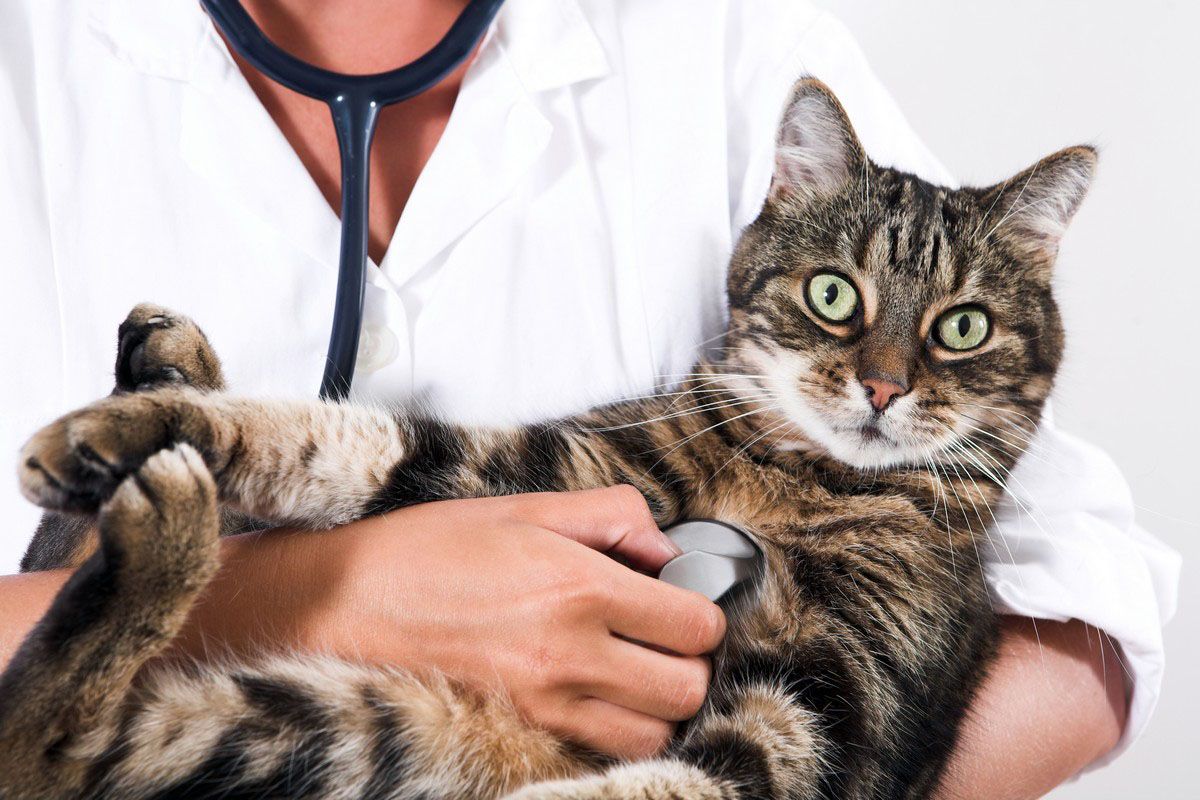
Detecting internal organ dysfunction, metabolic shifts, and cellular changes during early developmental stages requires professional clinical evaluation that goes far beyond visual observation at home. Internal organs like the liver, kidneys, and heart can sustain significant stress or functional loss before a dog begins showing obvious signs of lethargy, appetite loss, or physical discomfort. During a routine clinical checkup, veterinary clinicians perform systematic physical examinations, palpating internal abdominal organs, listening to thoracic heart sounds, and checking lymph node symmetry.
In addition to physical hands-on assessments, routine diagnostic screening tests—including complete blood counts, internal organ chemistry panels, and urinalysis—provide a clear window into your dog's internal health. These routine diagnostic tests establish personal baseline metrics unique to your specific dog, making it far easier to spot subtle abnormalities in future years. Relying on an experienced animal vet to conduct regular physical exams and baseline screening tests allows medical professionals to catch developing internal conditions early, enabling prompt medical intervention that preserves your pet's quality of life.
Preventing Severe Periodontal Disease and Internal Bacterial Complications
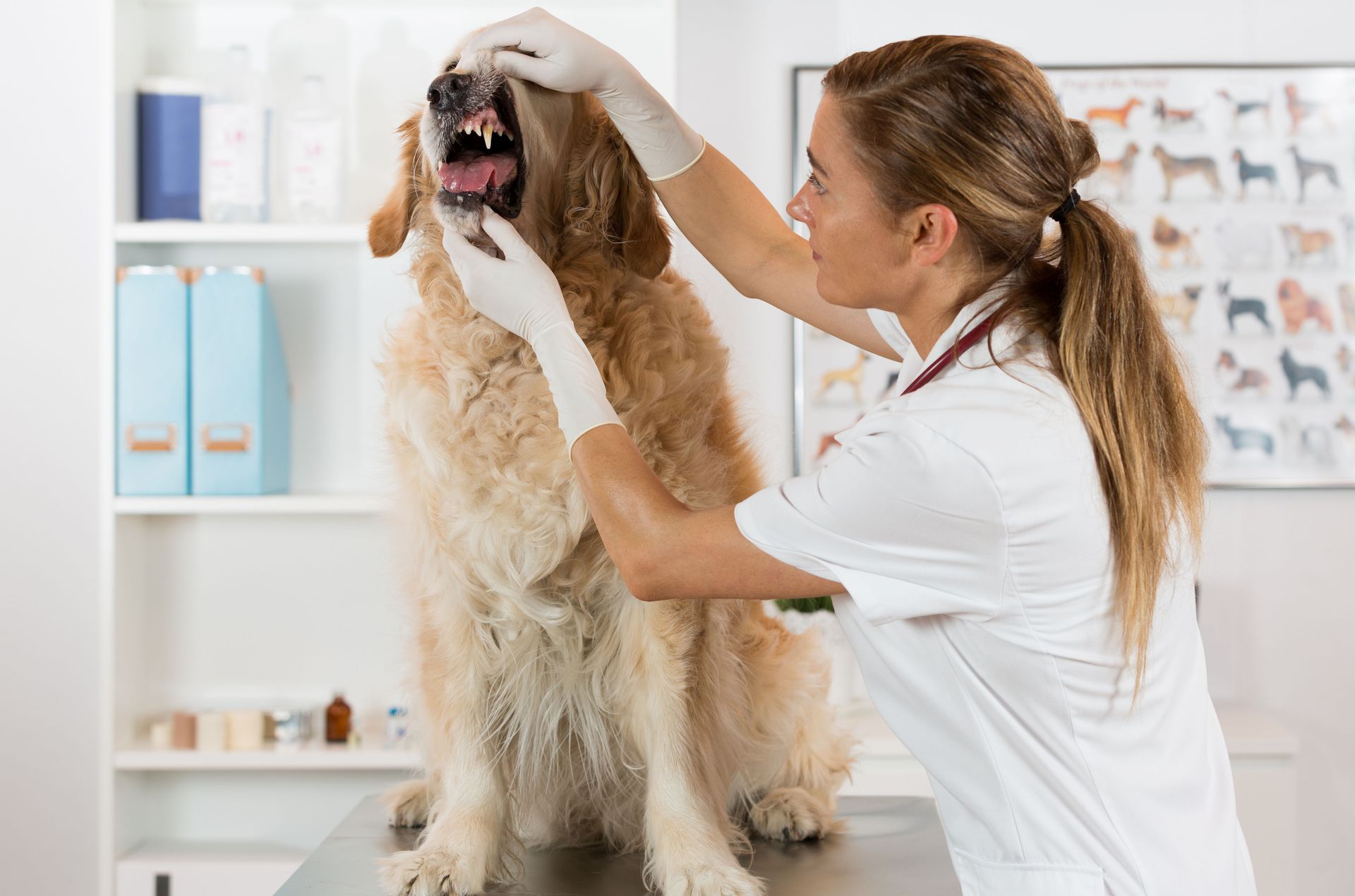
Inspecting the oral cavity is a vital component of routine preventive healthcare that is frequently overlooked by pet owners until foul breath becomes unbearable. Oral bacteria, plaque buildup, and calculus accumulate continuously along tooth surfaces and under the gumline, leading to progressive periodontal inflammation, bone loss, and deep tooth root infections. Dogs rarely show obvious signs of oral pain; even animals suffering from severe tooth decay or painful gum inflammation will usually continue to eat normally, hiding their discomfort from family members.
Left untreated, chronic oral inflammation allows bacteria from the mouth to enter the bloodstream directly, traveling throughout the body and placing severe strain on major internal organs. Chronic bacterial exposure from oral disease frequently leads to secondary damage in the heart valves, liver tissues, and kidney filtering systems. Scheduling regular oral evaluations with a skilled animal vet ensures that early plaque buildup is identified, home dental care routines are optimized, and professional dental cleanings under anesthesia are performed before irreversible internal organ damage occurs.
Managing Weight Fluctuations and Establishing Balanced Nutritional Plans
Monitoring physical body condition and weight changes accurately is essential for preventing a wide variety of secondary health problems in adult dogs. Canine obesity is a widespread health epidemic that drastically reduces a dog's lifespan, places excessive stress on joint cartilage, increases diabetes risks, and strains cardiovascular function. Conversely, subtle, unexplained weight loss can serve as an early warning sign for underlying metabolic disorders, gastrointestinal malabsorption, or thyroid imbalances that require immediate diagnostic investigation.
During a routine wellness assessment, veterinary teams utilize precise body condition scoring systems to evaluate your dog's muscle mass, skin elasticity, and fat distribution accurately. Your clinician evaluates your dog's current daily food intake, treats, and activity levels, crafting tailored nutritional recommendations that match their specific life stage, breed tendencies, and lifestyle demands. Consulting a knowledgeable animal vet regarding proper portion control, joint-supportive nutrients, and ideal body weight targets keeps your dog lean, agile, and energetic while protecting their joints from premature wear and tear.
Updating Vital Immunizations and Year-Round Parasite Protection
Shielding your dog from dangerous infectious diseases and invasive internal and external parasites requires continuous medical vigilance throughout their adult life. Maternal antibodies acquired during puppyhood fade completely, and initial vaccine series require periodic booster injections to maintain protective immunity against deadly viral pathogens like rabies, parvovirus, distemper, and infectious hepatitis. Furthermore, changing lifestyle activities—such as visiting dog parks, boarding facilities, or hiking trails—may expose your pet to additional regional threats like Lyme disease, leptospirosis, and kennel cough.
In addition to core immunizations, continuous year-round defense against heartworms, fleas, ticks, and intestinal parasites is vital for maintaining total body health. Mosquitoes transmit microscopic heartworm larvae that mature into dangerous heart-dwelling worms, while ticks carry debilitating bacterial infections like Lyme disease and Anaplasmosis. Partnering with a dedicated animal vet allows you to establish a personalized, year-round preventive protocol that shields your canine companion from dangerous regional vectors, keeping your home environment clean and your pet completely parasite-free.
Evaluating Subtle Behavioral Changes and Pain Indicators
Observing minor shifts in daily behavior, sleep patterns, social interaction, or movement can reveal important clues about your dog's physical and emotional well-being. Dogs experiencing low-grade joint pain, early arthritis, or chronic spinal discomfort rarely cry out or whimper; instead, they may show subtle changes such as hesitation when climbing stairs, slight stiffness upon waking, irritability when petted, or reluctance to jump into vehicles. Family members often mistake these subtle shifts for simple aging, missing early opportunities to manage physical pain effectively.
At Midtown Veterinary Clinic, we are deeply committed to elevating your pet's long-term health, protecting your canine companion from hidden medical issues, and delivering exceptional veterinary care through compassionate clinical expertise, modern diagnostic technology, and dedicated personalized service. Our team of experienced veterinarians, certified veterinary technicians, and caring support staff brings deep medical knowledge, advanced diagnostic equipment, and meticulous attention to detail to every wellness exam, dental procedure, and diagnostic evaluation we perform across our community. We take immense pride in evaluating your dog's unique physical condition, listening carefully to your personal observations, and crafting customized preventive health plans, vaccination schedules, parasite control protocols, and nutritional strategies that keep your pet thriving. Contact us today to schedule your comprehensive canine wellness exam and discover how our dedicated team can safeguard your dog's health.

Share On: