
Understanding the Growing Need for Local Animal Clinics
The demand for accessible veterinary care has surged in recent years, driven by a shifting mix of socio-economic factors and technical breakthroughs. As pet ownership continues to climb, neighborhoods are recognizing the vital necessity of having comprehensive medical care right in their backyards to safeguard the longevity of their companion animals.
This movement is reshaping how communities view animal welfare, positioning neighborhood practices as critical pillars of public health and local economic resilience. Exploring the primary drivers behind this trend reveals how local animal clinics have transitioned from simple utility spaces into sophisticated healthcare hubs.
Expanding Pet Ownership Demographics
The demographic landscape has witnessed significant shifts, resulting in a steady increase in pet ownership across diverse age groups. Millennials and Gen Z now represent the largest pet-owning blocks, and they routinely view their dogs, cats, and pocket pets as true family members rather than mere property.
This profound cultural evolution has led to heightened expectations for everyday treatment, directly increasing the utilization of nearby veterinary facilities. Rapid urbanization also plays a critical role, as compact city apartments and changing personal schedules prompt urbanites to adopt companion animals to combat isolation, dramatically increasing the regional requirement for convenient healthcare.
Examining Household Financial Commitments
Domestic budgets increasingly reflect the high priority placed on animal longevity. Families have demonstrated an overwhelming willingness to fund advanced medical care, even during volatile market conditions. According to Co-Vet, U.S. household veterinary spending has grown about 2.9% per year since 1980, reflecting ongoing commitment to pet health—even through economic ups and downs. This multi-decade statistical growth proves that home animal care is viewed as an essential expense rather than a luxury expense. Furthermore, a rising fascination with unconventional species has forced neighborhood practices to diversify their baseline medical offerings to handle unique physiological needs.
Embracing Technological Advancements in Veterinary Medicine
Technological innovations have revolutionized the internal workflow of neighborhood treatment centers. Modern facilities are moving away from outdated diagnostic methodologies, embracing digital platforms that drastically accelerate the timeline between initial examination and treatment.
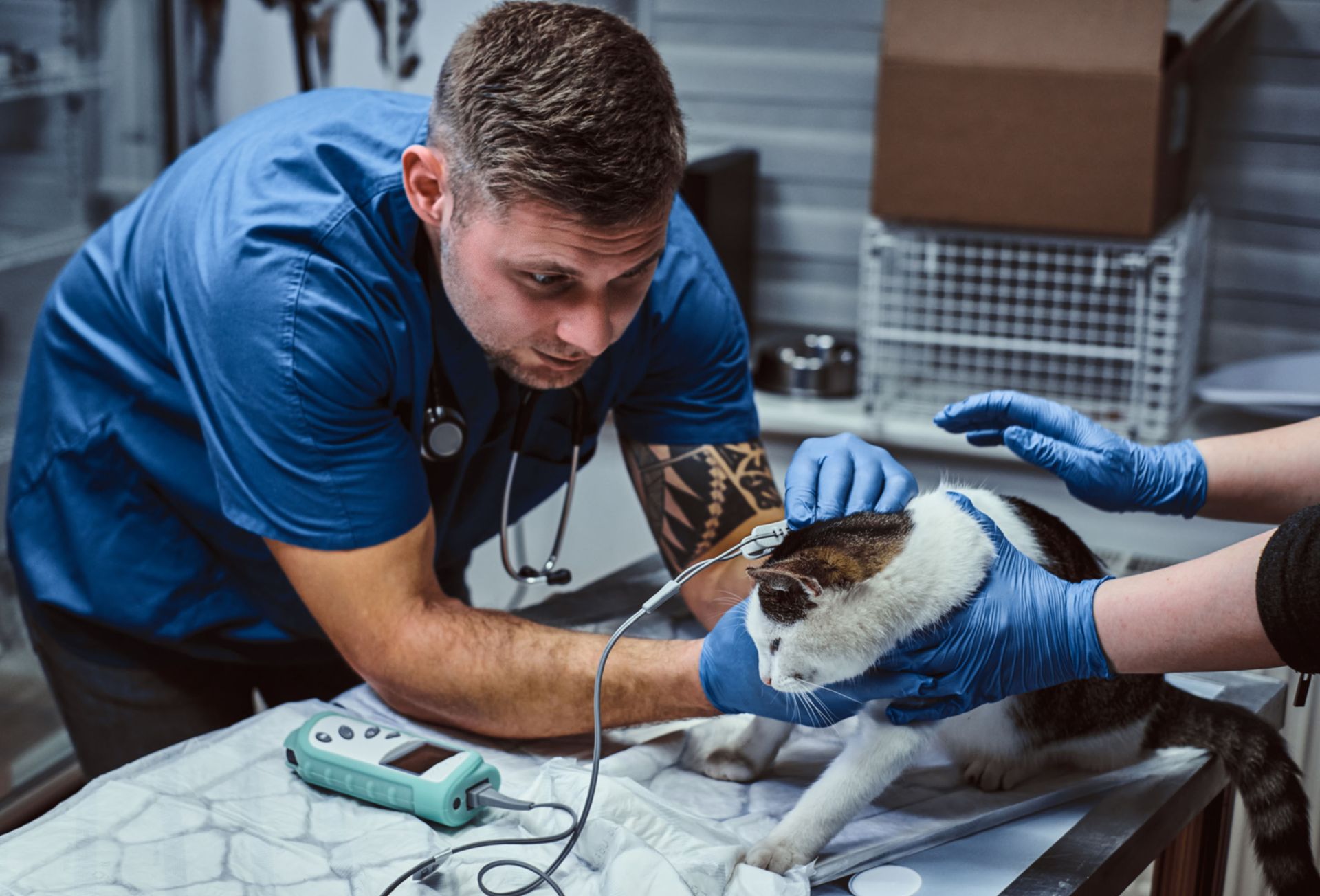
High-resolution digital radiography, advanced ultrasound machinery, and in-house laboratory analyzers allow veterinarians to evaluate internal organ systems with extreme precision during a single visit. This immediate data recovery minimizes client anxiety and ensures that critical interventions can begin before a condition becomes unmanageable.
Personalizing Complex Treatment Protocols
The standardization of medical tools allows for highly customized care plans tailored to the exact metabolic and life-stage requirements of the animal. Rather than applying a one-size-fits-all approach to chronic illness or recovery, veterinarians can monitor specific chemical panels over time, adjusting medication dosages with subtle precision. This shift toward individualization is especially apparent in fields like senior oncology, metabolic management, and complex soft-tissue surgeries, raising the performance benchmark across all local animal clinics.
Safeguarding Community and Public Health
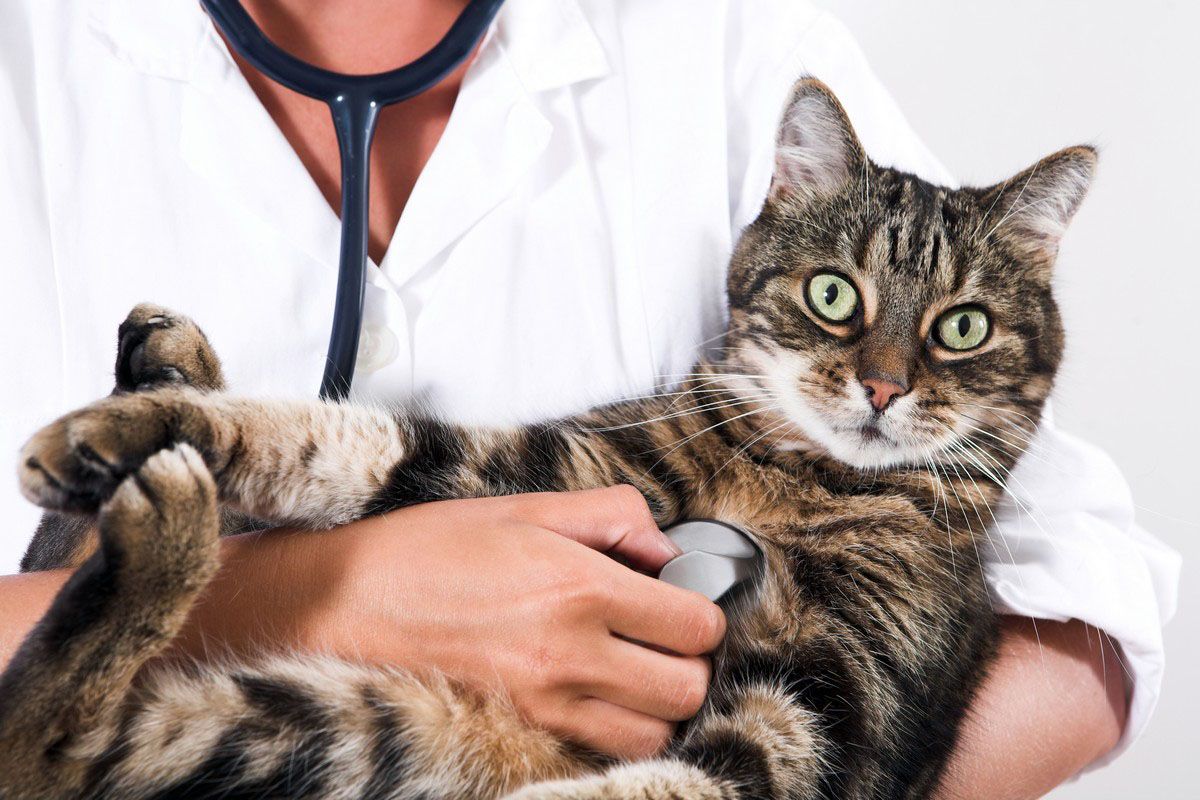
Local animal clinics function as the primary shield against the spread of zoonotic pathogens—diseases that can pass from animals to humans, such as rabies, leptospirosis, and specific parasitic infestations. By maintaining strict protocols for preventative immunizations, these centers eliminate vectors of infection before they can encroach on human populations. Routine parasite screenings and preventative prescriptions protect the physical health of the immediate neighborhood, ensuring that public parks and pathways remain safe for families and animals alike.
Facilitating Educational Outreach Initiatives
A major function of local animal clinics involves hosting educational programs aimed at clarifying proper pet nutrition, behavioral psychology, and lifestyle requirements. Disseminating accurate information regarding the dangers of obesity, structural joint decline, and dental disease empowers owners to spot early indicators of distress.
These outreach efforts often include community workshops or digital newsletters that translate complex animal science into actionable, everyday habits, fostering a culture of informed, responsible guardianship throughout the entire region.
Evaluating the Local Economic Ecosystem
Modern veterinary practices are complex businesses that require a diverse, multi-disciplinary workforce to operate effectively. A single community clinic generates steady employment for licensed veterinarians, highly trained veterinary technicians, customer service coordinators, and facility managers. This internal job creation injects financial resources back into the immediate community, supporting local families and driving secondary consumer spending at nearby retail blocks, food establishments, and support services.
Minimizing Emergency Costs Through Prevention
Investing in routine check-ups is a highly cost-effective strategy that shields families from the steep financial burdens associated with emergency interventions. Discovering a heart murmur during a standard examination or managing early-stage kidney decline via a modified diet is significantly more affordable than addressing a full-scale systemic crisis. Proactive wellness management ensures that household funds are spent efficiently, maximizing the animal's quality of life while reducing the necessity for unexpected, stressful emergency expenditures.
Navigating Operational and Industry Hurdles
Operating a veterinary hospital requires an immense amount of upfront and ongoing capital. Sourcing commercial-grade anesthesia machines, surgical lighting, and sterile autoclaves demands significant funding that can strain independent or small-scale operations.
Furthermore, maintaining a highly secure pharmacy requires careful regulatory management and constant auditing. Balancing these intense financial obligations against the need to keep everyday care accessible to working families is a persistent challenge for management teams throughout the industry.
Managing Workforce Shortages and Continuing Education
The veterinary field is currently navigating a nationwide shortage of qualified medical personnel, meaning that recruitment and retention are primary focuses for hospital administrators. To provide safe, modern treatments, existing staff must undergo constant continuing education to maintain their licenses and stay abreast of changing pharmaceutical options.
Firms must invest heavily in workforce development, creating supportive internal cultures that mitigate professional burnout while ensuring that the medical staff remains at the absolute cutting edge of animal science.
Anticipating Future Veterinary Trends
The future of the profession is increasingly digital, with remote consultations and automated health tracking leading the way. Telemedicine allows owners to consult with their family vet regarding minor behavioral shifts, skin irritations, or post-operative recovery tracking without the stress of transport.
Additionally, the integration of cloud-based electronic records allows for seamless data sharing between general practitioners and specialized surgical centers, creating a connected network that improves the continuity of care.
Diversifying Into Specialized Wellness Services
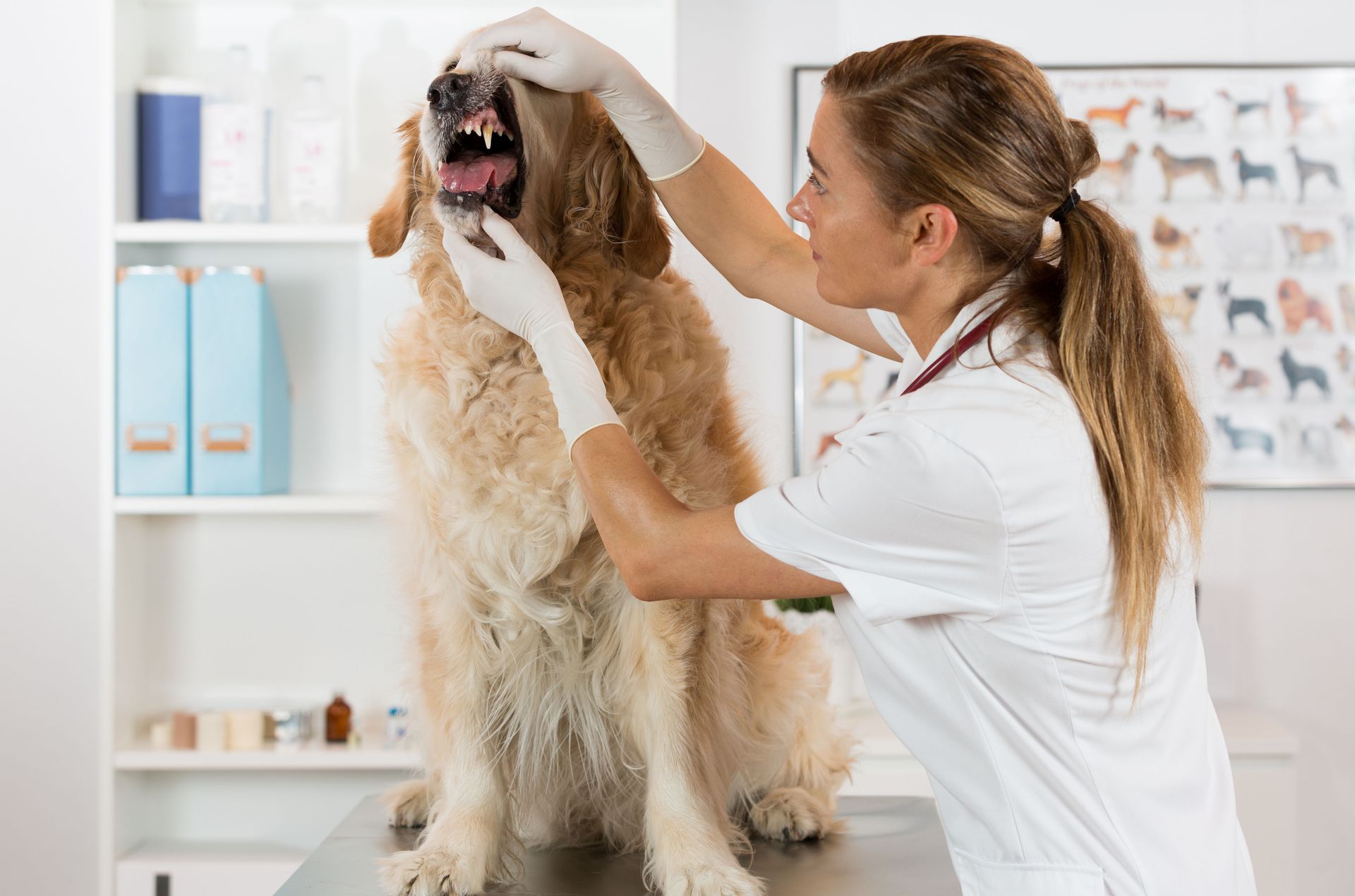
As ownership trends mature, facilities are expanding their services beyond basic crisis management into holistic wellness fields. This expansion includes the integration of professional dental care suites designed to prevent systemic bacteria from affecting the heart and kidneys.
Furthermore, many local animal clinics are adding physical rehabilitation, non-invasive laser therapy, and precise behavioral counseling to their core services. This evolution transforms the traditional clinic into a full-service health resort capable of maximizing an animal's vitality from youth through their senior years.
Securing the long-term well-being of your companion requires a relationship with a veterinary team that balances medical precision with individual attention. From the first round of juvenile immunizations to advanced internal diagnostics, every phase of your animal's development benefits from specialized oversight. Choosing a comprehensive facility ensures that your pet has immediate access to the necessary infrastructure whenever a health change occurs.
Midtown Veterinary Clinic provides the sophisticated care required to support your pet through every stage of life. Our facility offers a complete suite of professional veterinary services, including routine wellness exams, targeted vaccinations, and advanced surgery. We also feature a dedicated team for dental care and possess the specialized training required to treat exotic animals. If you are ready to establish a proactive health plan for your pet, contact us today to experience the premium care delivered by our local animal clinics.

Share On: