
Daily Challenges Veterinarians Face
Every profession has its unique set of challenges, but those faced by veterinarians are often multifaceted and emotionally taxing. From diagnosing complex conditions to handling anxious pet owners, the daily life of a veterinarian is far from routine. The veterinary field requires not only medical expertise but also a deep understanding of animal behavior and client communication. In this article, we will delve into the myriad challenges veterinarians encounter and the impact these have on their physical and mental well-being.
Address Pet Obesity in Companion Animals
Obesity in pets, particularly in dogs and cats, is a prevalent issue that veterinarians face regularly. Overweight and obesity in pets can lead to severe health problems, including diabetes, heart disease, and joint disorders. Veterinarians often spend considerable time educating pet owners on the importance of balanced diets and regular exercise. Despite these efforts, managing obesity in animals remains a consistent challenge, as it requires changes in pet behavior and owner lifestyle commitments.
The challenge is compounded by the misconceptions many pet owners have about what constitutes a healthy pet weight. Educating owners about appropriate food portions and the risks of obesity is crucial, yet it requires effective communication and ongoing support. Additionally, veterinarians must stay updated on the latest nutritional guidelines to provide the best advice. Addressing obesity is not merely about cosmetic appeal but is fundamentally about enhancing the pet's quality of life.
One of the most difficult aspects of managing obesity is the emotional component involved, both for the pet owner and the veterinarian. Owners may feel guilty or ashamed about their pet's condition, making communication sensitive and challenging. Moreover, veterinarians must strike a balance between offering helpful advice and respecting owner autonomy. This aspect of veterinary care highlights the need for practitioners to possess strong interpersonal skills alongside their medical expertise.
Manage Parasite Infestations in Pets
Parasite infestations are another common health issue that veterinarians grapple with on a daily basis. Fleas, ticks, and worms can significantly impact a pet's health, leading to skin irritation, anemia, and in severe cases, death. Regular parasite control and prevention measures are crucial, but compliance from pet owners can vary. Veterinarians strive to emphasize the importance of routine check-ups and preventative medication to manage and prevent parasite issues.
Educating pet owners about the life cycles of different parasites and their potential impact on pet and human health is part of routine veterinary advice. Many owners may be unaware of the zoonotic potential of certain parasites, which can transition from animals to humans. This educational component requires veterinarians to have a thorough understanding of epidemiology and to communicate effectively. Despite these efforts, veterinarians often encounter owners who neglect parasite prevention due to financial constraints or misinformation.
Veterinarians also face the technical challenge of accurately diagnosing and treating parasitic infections. This process can involve a combination of clinical examination, diagnostic testing, and ongoing management, depending on the severity of the infestation. The complexities involved in identifying and treating parasites further illustrate the breadth of knowledge required in veterinary practice. Veterinarians must be diligent in recommending the most effective treatment protocols to ensure both pet and public health safety.
Treat Dental Disease in Veterinary Patients
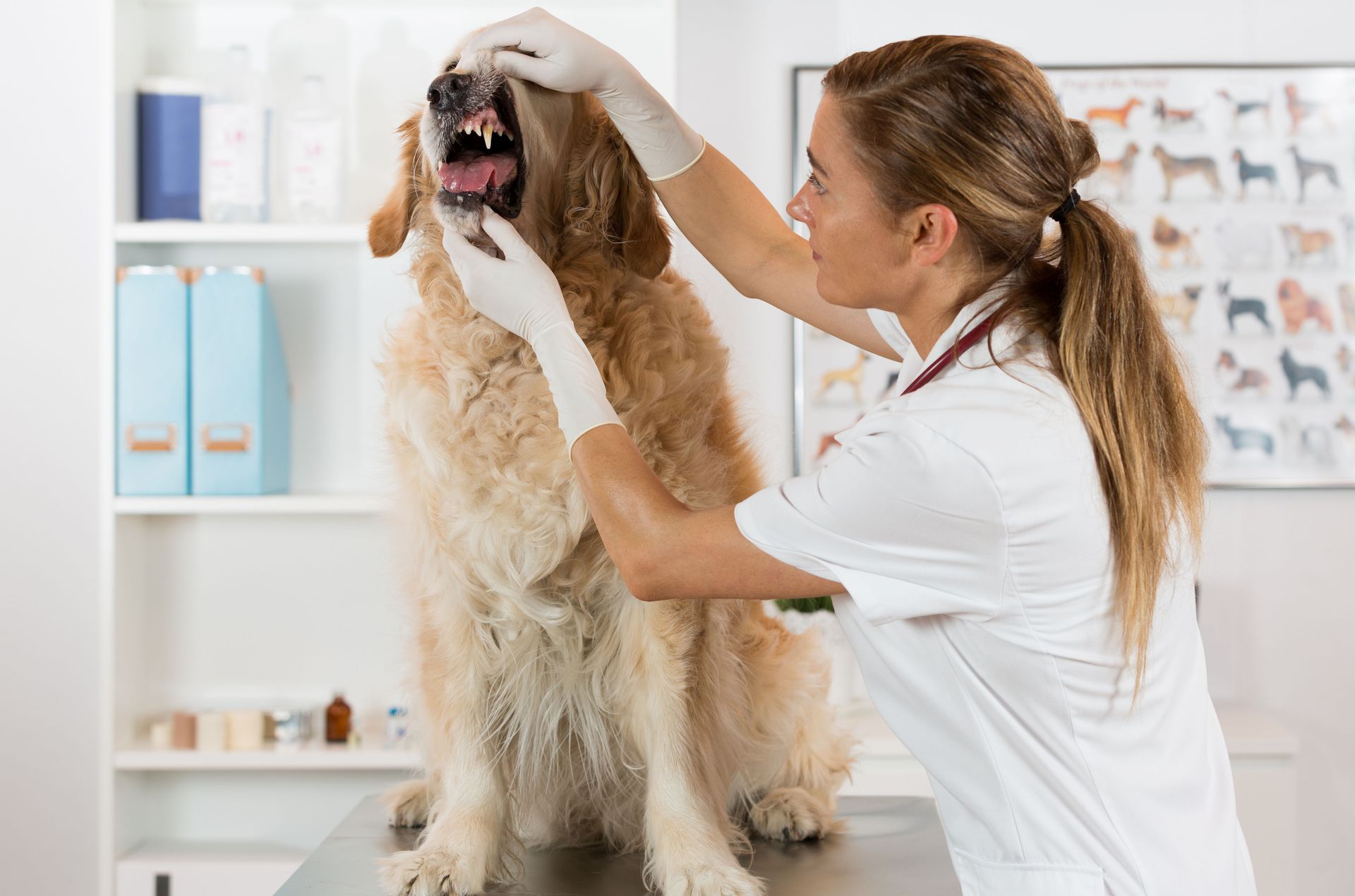
Dental diseases are among the most commonly diagnosed conditions in veterinary practice. Gum disease, tartar, and tooth decay can affect pets of all ages and, if left untreated, can lead to more serious systemic health issues. Regular dental checkups and cleanings are critical for preventing these problems; however, many pet owners underestimate the importance of oral health. Veterinarians must often advocate for better pet dental care and encourage owners to maintain regular cleaning routines.
One of the barriers to effective dental care in pets is that symptoms often go unnoticed by pet owners until they reach an advanced stage. Veterinarians play a critical role in detecting early signs of dental issues and advising on necessary interventions. Despite this vigilance, some owners remain apprehensive about dental procedures due to cost concerns or misunderstandings about their necessity. Thus, veterinarians must navigate the delicate balance of educating without overwhelming their clients.
Additionally, the technical skills required to perform dental procedures safely and effectively pose a significant challenge. These procedures can be invasive, requiring anesthesia and careful monitoring, which adds to the stress of both the veterinarian and the pet owner. According to Co-Vet, over 50% of veterinarians experience emotional exhaustion or burnout, partly due to the demands of such complex and frequent cases. Such statistics highlight the mental health challenges that accompany the profession.
Prevent and Control Infectious Diseases in Animals
Infectious diseases in animals present another challenging frontier that veterinarians frequently address. Diseases such as rabies, parvovirus, and feline leukemia can be highly contagious and devastating, demanding immediate and effective intervention. Vaccination is a primary tool in preventing these diseases, yet there remains a significant public health challenge in ensuring wide coverage and compliance. Veterinarians play a pivotal role in advocating for vaccination and educating pet owners about the risks of infectious diseases.
Accurate diagnosis and treatment of infectious diseases require comprehensive knowledge and quick decision-making. This often involves laboratory work and critical interpretation of results to initiate timely treatment plans. Veterinarians must also stay informed about emerging infectious diseases and evolving strains, placing them at the forefront of animal healthcare and public safety. The responsibility of preventing disease outbreaks extends beyond individual patients, thereby increasing the pressure and significance of their role.
Moreover, addressing infectious diseases often brings ethical considerations into the forefront, such as quarantine protocols and euthanasia decisions in severe cases. These choices require a depth of compassion and professionalism as veterinarians not only deal with the practical aspects of treatment but also the emotional components of such decisions. The impact of these responsibilities is profound, contributing to the overwhelming demands placed on practitioners in this field.
Diagnose and Manage Skin Conditions in Pets
Skin conditions are a common issue that pets experience, leading to frequent veterinary visits. Allergies, dermatitis, and infections can cause persistent discomfort for pets, necessitating careful management by veterinarians. Identifying the underlying cause of a skin condition is often complex, possibly involving allergens, environmental factors, or systemic diseases. Consequently, veterinarians must be skilled in dermatology and develop customized treatment plans to alleviate pet suffering.
Treating skin conditions often requires patience and ongoing communication with pet owners. Many treatments require long-term commitment and adjustments, making owner compliance a critical component of successful management. Veterinarians need to ensure that pet owners understand the rationale behind treatment plans and are able to recognize symptoms of improvement or worsening. Building this trust and cooperation can be difficult, but it's essential for effective care and outcomes.
The impact of skin conditions on a pet’s quality of life underscores the importance of veterinarians' role in promoting animal wellness. Constant scratching and irritation can affect a pet's mood and behavior, leading to secondary behavioral issues that also require attention. Thus, veterinarians must adopt a holistic approach, treating not only the immediate skin issue but also considering the broader implications for the pet's well-being. This comprehensive care is a testament to the dedication required in the veterinary profession.
Veterinarians face a multitude of challenges in their professional lives, each requiring a diverse set of skills and resilience. From tackling common health issues such as obesity and parasites to addressing intricate dental and infectious diseases, veterinarians are crucial in maintaining pet health. The emotional and technical demands of the profession cannot be understated, with a significant number experiencing burnout. Nonetheless, the dedication and passion for improving animal lives continue to drive veterinarians in their vital work. Reach out to Midtown Veterinary Clinic to learn more about our services today.


Share On: