

Why Senior Dogs Need a Different Care Calendar
As dogs grow older, their health needs can change in ways that are not always easy to notice. Some changes develop slowly, while others may affect comfort, movement, appetite, or daily behavior. A care calendar that worked during a dog's younger years may no longer provide the same level of support. Older dogs often benefit from more regular health checks and closer attention to age-related changes. Regular appointments give veterinarians opportunities to review a dog's overall condition and identify concerns that may need attention. A care calendar can help guide the timing of health visits, routine evaluations, and ongoing care discussions. This article explains why senior dogs may need a different care schedule and how regular evaluations can support comfort and quality of life.
Recognizing Changes That Come With Age
A dog's senior years do not start at the same age for every breed. Smaller dogs may stay active longer, while larger dogs can experience age-related changes sooner. Factors like size, breed, health history, and condition can influence when senior care becomes more important. Older dogs may move slower, sleep more, lose interest in activities, or show changes in appetite, weight, hearing, vision, or bathroom habits.
Not every change is simply related to age. Some may be connected to health concerns that can be managed more effectively when they are identified early. Regular visits allow veterinarians to review changes over time and compare current findings with previous health information. A senior care calendar creates more chances to discuss new concerns before they become more serious. It also helps maintain a steady record of a dog's health as needs change.
Scheduling More Frequent Health Visits
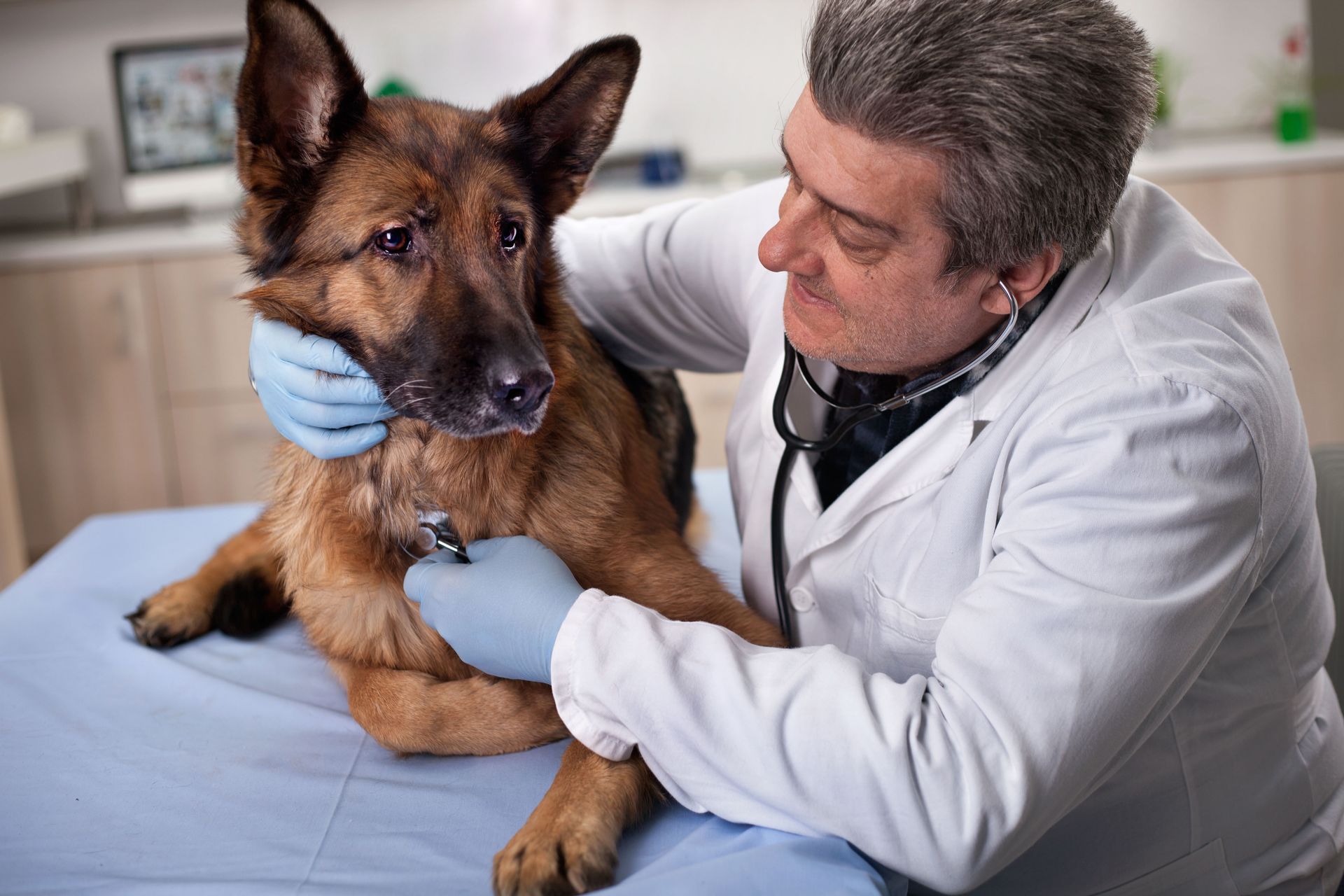
Younger adult dogs may only need routine health visits once a year, depending on their needs. Senior dogs often benefit from more frequent evaluations because age-related changes can develop faster. According to the American Animal Hospital Association, healthy senior dogs should visit a veterinarian at least twice a year to help identify health concerns early. These visits allow veterinary teams to monitor changes that may affect comfort, mobility, appetite, or daily routines.
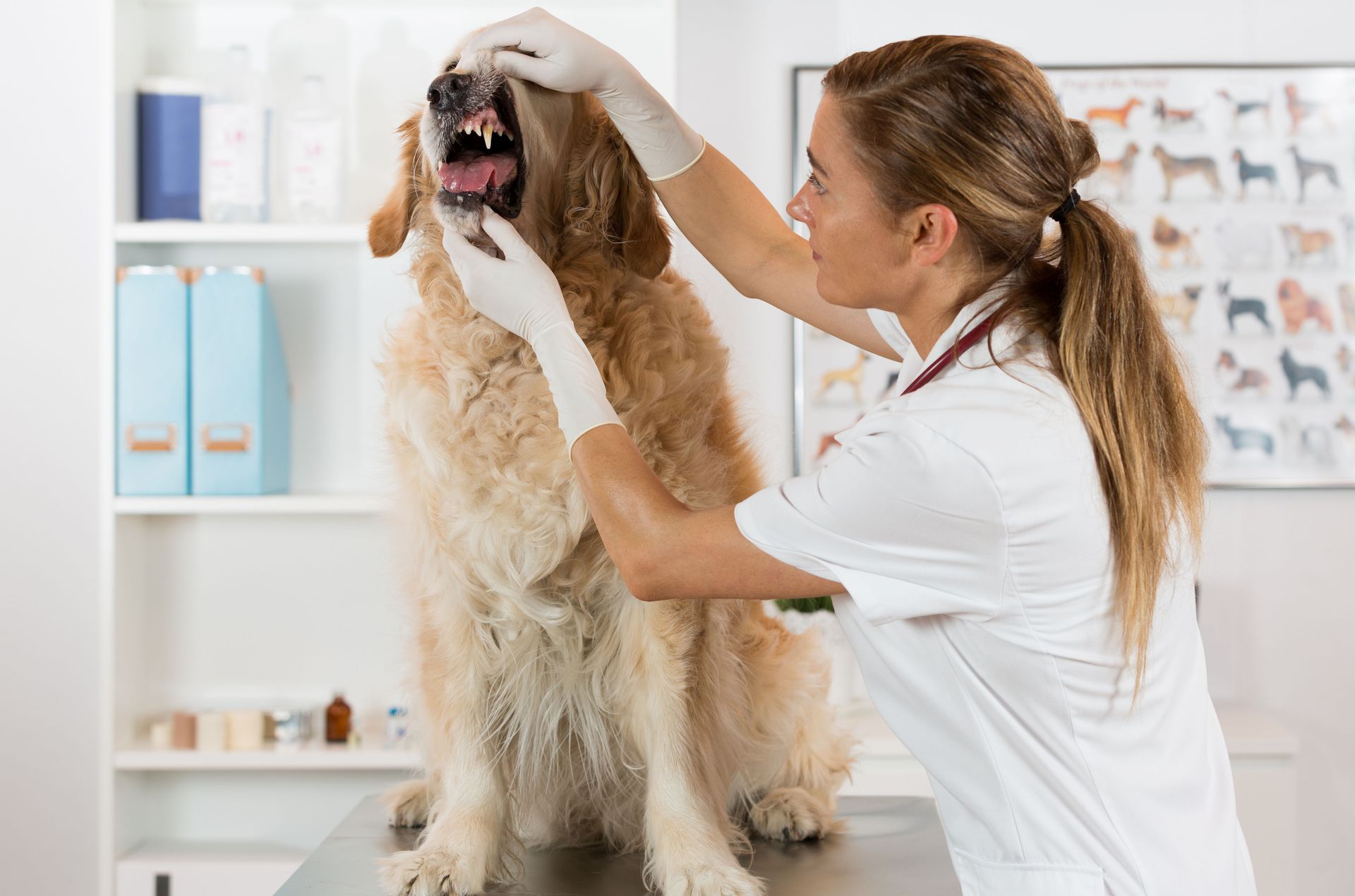
Appointments may include reviews of body condition, movement, heart and lung function, oral health, and overall wellness. The schedule may vary based on a dog's age, breed, medical history, and health needs. Regular visits also allow pet owners to share changes they have noticed, such as new behaviors, sleep changes, or reduced activity levels.
Monitoring Changes in Daily Behavior
Senior dogs may show discomfort or illness through changes in behavior. Some signs are easy to notice, while others develop slowly over time. A dog may become less active, avoid certain movements, lose interest in play, or show changes in sleep, appetite, and social interaction. Restlessness, confusion, or unusual reactions to familiar people and animals should be discussed with a veterinary professional rather than dismissed as a normal part of aging.
A care calendar can include regular opportunities to review a dog's behavior and daily routine. This helps veterinarians understand whether changes are new, ongoing, or becoming more noticeable. Professional evaluations may help identify possible health concerns connected to behavior changes. Early attention may also support a more comfortable daily routine and help guide future care decisions.
Tracking Mobility and Physical Comfort
Movement can change as dogs grow older. Some senior dogs may have difficulty standing, walking, climbing, or getting comfortable while resting. Others may continue to move normally but become tired more quickly after activity. Changes in mobility may develop slowly. A dog may hesitate before using stairs, take longer to stand, avoid jumping, or show less interest in walks. These signs may indicate discomfort or changes affecting the muscles, joints, or other parts of the body.
Regular health visits allow veterinarians to evaluate movement and discuss changes that may affect physical comfort. They can also review how a dog responds to normal activity and whether the current care schedule should be adjusted. A senior dog's activity needs may change over time. Professional guidance can help determine an appropriate routine based on the dog's age, physical condition, and overall health. Ongoing evaluations can also help track whether mobility concerns are stable or becoming more noticeable.
Reviewing Nutrition and Body Condition
A dog's nutritional needs may change during the senior years. Changes in activity, metabolism, appetite, and health can affect body weight and condition. Some older dogs may gain weight because they are less active, while others may lose weight even when their eating habits appear similar. Weight changes should be discussed during routine health visits. A change may be connected to diet, activity, aging, or an underlying health concern. Regular evaluations can provide a clearer picture of whether a dog's body condition is changing over time.
Veterinarians can review a senior dog's current health and discuss nutrition based on individual needs. Recommendations may change as a dog ages or develops new health concerns. A care calendar can include regular weight and body-condition reviews. Tracking these changes over time may help identify patterns that are difficult to notice during everyday routines. Maintaining an appropriate body condition may also support movement, comfort, and overall wellness.
Checking Health Concerns More Closely
Senior dogs may be more likely to develop certain health concerns as they age. Some conditions cause noticeable symptoms, while others may progress without clear changes during the early stages. Routine evaluations may include physical examinations and other health assessments based on a dog's age and needs. These checks can provide useful information about internal health, organ function, and changes that may not be visible from behavior alone.
More frequent appointments give veterinarians opportunities to compare current results with earlier information. This can help show whether a health concern is stable, improving, or changing over time. The goal of a senior care calendar is not to assume that every older dog is sick. Many senior dogs remain active and enjoy a good quality of life. Regular evaluations simply provide more opportunities to monitor health and respond when changes appear.
Adjusting Care as Needs Change
A senior dog's care schedule may need to change over time. A dog that is healthy during one stage of life may develop new needs later. Age alone does not determine the right schedule, which is why professional evaluations are important. Some dogs may need more frequent visits because of ongoing health concerns. Others may continue with a regular schedule while receiving closer monitoring during routine appointments. The care plan should reflect the dog's current condition rather than relying only on age.
Veterinarians can help determine how often a senior dog should be evaluated and what areas may need closer attention. They can also discuss changes that may affect comfort, activity, nutrition, or daily routines. A flexible care calendar allows health needs to be reviewed and updated when necessary. This approach can support consistent care throughout the senior years while accounting for changes that may occur over time.
Supporting Comfort Throughout the Senior Years
Senior dogs may need more rest and take longer to recover from activity as they age. Changes in mobility, energy, appetite, sleep, and behavior can affect their comfort and quality of life. Regular veterinary care helps identify concerns early and allows veterinarians to monitor changes over time. A consistent care calendar also supports ongoing communication about a senior dog's health needs.
Senior dogs often need a different care calendar because their health can change more quickly later in life. More frequent appointments help monitor mobility, behavior, nutrition, and overall comfort while identifying changes that may develop gradually. Age, breed, size, health history, and current condition all affect a dog's care needs. Working with a veterinary team can help create a schedule that supports each dog's individual health. Contact veterinarians at Midtown Veterinary Clinic to schedule a professional evaluation and discuss an appropriate care plan.
Share On: