

Why It Matters to Find the Right Animal Clinic for Exotic Animals
Understanding the particular needs of exotic animals is crucial for their well-being, as they differ significantly from traditional pets like dogs and cats. Specialized veterinary care is pivotal for addressing the medical and environmental requirements of these unique animals. This article delves into why choosing the right animal clinic for exotic pets is vital, the role of specialized clinics, and how to ensure pets receive the best possible care.
Understanding Exotic Animals
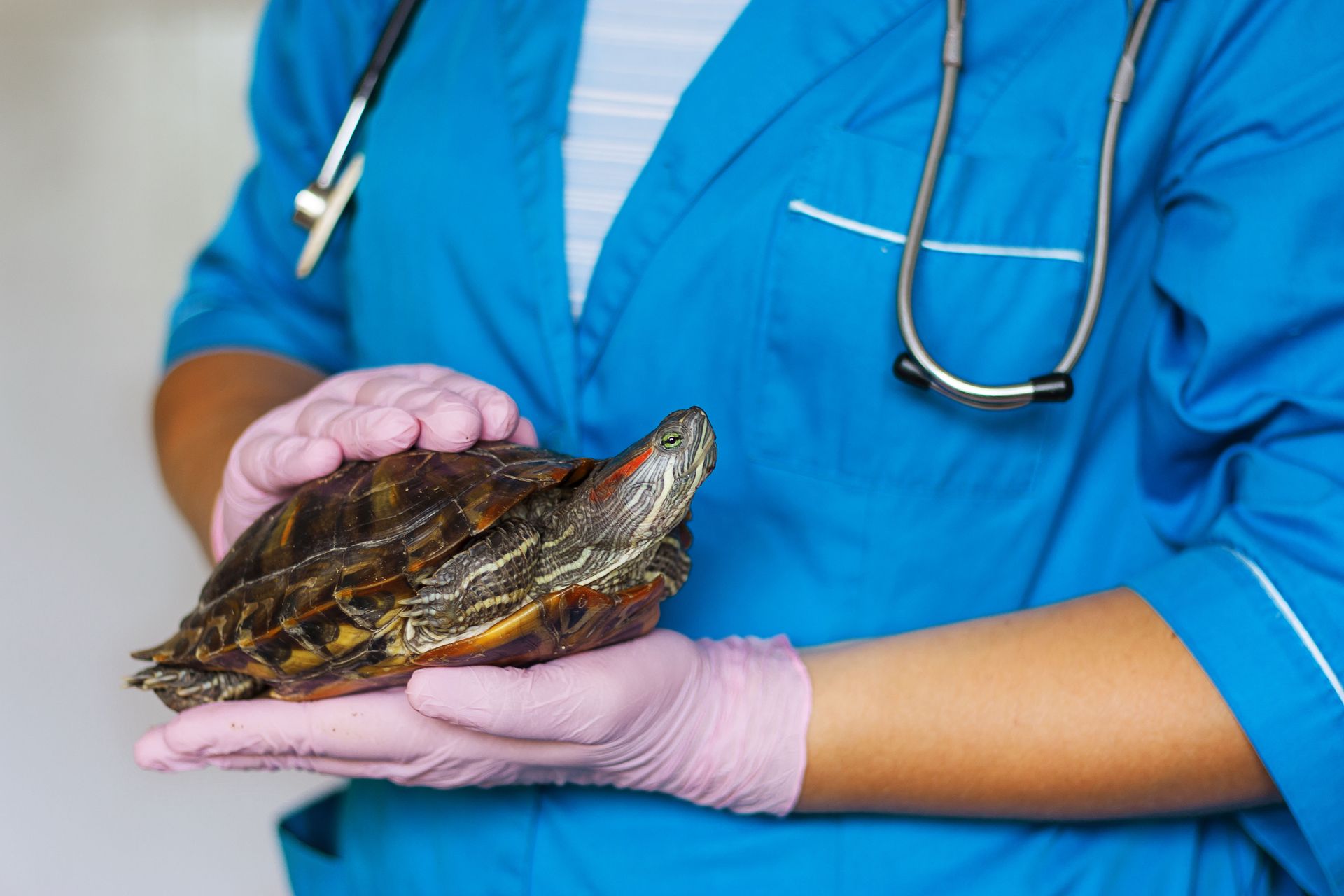
The term exotic pets encompasses a wide range of species, including reptiles, amphibians, birds, and small mammals. Each of these species has distinct characteristics and needs that vary greatly from common household pets. Exotic pets, such as ferrets, parrots, and turtles, require environmental conditions that mimic their natural habitats to thrive.
Physiologically, exotic animals are vastly different from cats and dogs. For instance, reptiles are ectothermic, meaning their metabolism depends on external temperatures. Birds have air sacs in addition to lungs, which requires unique considerations during anesthesia. These physiological differences underscore the need for specialized veterinary knowledge and care methods distinct from traditional pet care protocols.
Exotic animals have unique dietary and habitat requirements that are crucial to their health. A parrot may need a diet rich in seeds and fresh fruits, while a reptile requires specific light and temperature settings in its enclosure. The growing popularity of exotic pets, especially fish, which are owned by 3.4 million households according to a recent study by the American Veterinary Medical Association, demands a more profound understanding of their care. With increasing numbers of people embracing these pets, understanding and meeting their distinctive needs becomes ever more critical.
Considering The Role of Specialized Clinics
Specialized animal clinics for exotic pets are staffed with veterinarians who possess additional training and expertise in exotic species. These professionals are adept at recognizing subtle signs of illness that may go unnoticed by those with less experience. They have undergone extra training and earned certifications in areas crucial for understanding and treating the complex medical issues of diverse exotic species.
These animal clinics are equipped with specialized facilities and tools designed to meet the physical requirements of exotic animals. They have machinery for diagnostics that can accommodate the varying sizes and anatomies of different exotic pets, from tiny fish to large reptiles. Facilities might include heated incubators for birds or specialized aquatic environments for fish, ensuring that each animal's unique needs are met in a clinical setting.
Specialized animal clinics are uniquely positioned to create and implement customized health plans tailored to the specific needs of exotic animals. These tailored plans ensure that the medical, dietary, and environmental needs of exotic pets are continuously met. Veterinary clinics specializing in exotic animals often participate in research and advancements, contributing to the global understanding of these species and leading to enhanced treatment methods and outcomes.
Understanding the Risks of Ineffective Care
Ineffective care can lead to significant health issues in exotic animals, as many of their symptoms are not as obvious as those presented by more common pets. Misdiagnosis is a serious risk when veterinarians lack the training required to understand an exotic animal's distinct physiological conditions. Misdiagnosed conditions can lead to incorrect treatments, further exacerbating the pet's health issues instead of alleviating them.
Incorrect treatment is another critical risk when non-specialized veterinary clinics attempt to care for exotic animals. Without the knowledge and experience in handling exotic species, there is a higher potential for administering wrong medications or improper dosages. The stress of travel and handling can take a significant toll on exotic pets, which often have specific environmental needs and do not handle changes as well as traditional pets.
The long-term health implications of receiving inadequate care can be dire. Exotic pets can suffer from chronic conditions or even premature death if their needs are not properly met. Moreover, negative experiences at animal clinics may cause stress and fear in pets, leading to behavioral changes. These situations erode the trust between pet owners and veterinarians, emphasizing the importance of finding a clinic well-equipped to handle the unique challenges posed by exotic pets.
Evaluating an Exotic Animal Clinic
When selecting a clinic for an exotic pet, there are specific qualifications to consider that differ from those for traditional pet care facilities. It's vital to ensure that the veterinarians and staff have documented expertise and experience with the types of exotic species being brought in. Certifications and specialized training in exotic animal care significantly boost the clinic's capability to provide adequate healthcare.
During the initial visit, pet owners should ask pertinent questions to gauge the clinic's competencies in dealing with exotic animals. Questions about the specific experience with a particular species, emergency procedures, and consultation with experts in exotic animal medicine provide insights into the clinic's preparedness. Additionally, observing the interaction between the veterinary staff and the animal during this visit can be revealing.
Indicators of a well-equipped facility include the presence of specialized equipment for diagnostics and treatment, reflecting the clinic's capability to address the unique needs of exotic pets. Online reviews and feedback from other pet owners can also provide invaluable insights into a clinic's reputation and quality of care. Finally, verifying the availability of emergency care can ensure the pet receives prompt attention in urgent situations, a critical aspect of veterinary care for all pets.
Finding the Right Clinic
Finding the right veterinary clinic for exotic pets can lead to improved health outcomes and increased longevity for these animals. Specialized care ensures that their unique physiological and dietary needs are consistently met, reducing the risk of disease and facilitating early intervention in case of illness. By receiving tailored care plans, exotic pets often maintain better health and exhibit fewer behavioral issues.
For pet owners, access to trustworthy veterinary care for their exotic animals brings immense peace of mind. Knowing that their pets are in capable hands allows owners to focus more on enriching their pets' lives rather than worrying about potential health issues. Furthermore, specialized clinics often offer educational resources that empower pet owners with the knowledge to provide better care at home.
Exotic animal clinics often have access to advanced treatment options and cutting-edge technology, enhancing the care provided to exotic pets. These animal clinics foster strong relationships between veterinarians and pet owners, based on trust and shared goals of optimal pet health. Choosing the right clinic benefits all parties involved and strengthens the bond between the exotic pet and its owner.
Considering Trends and Innovations in Exotic Animal Care
In recent years, there have been significant advancements in medical treatments available for exotic animals. New diagnostic techniques, medications, and surgical procedures have been developed, broadening the scope of treatable conditions. As the exotic pet industry continues to grow, so does the investment in developing comprehensive care approaches specific to diverse species.
The integration of technology into veterinary practices has revolutionized how exotic animal care is approached. Innovations such as digital imaging and laboratory diagnostics allow for more accurate and efficient examinations and treatments. Modern veterinary practices increasingly use technology to monitor parameters critical to the health and well-being of exotic animals, such as temperature and humidity levels for reptiles.
As the demand for specialized care grows, more clinics focusing on exotic species have emerged. The role of telemedicine and remote consultations has become more prominent, offering pet owners flexibility and access to expert advice without the need for travel. Continuing education for veterinarians remains crucial as it ensures they stay updated with the latest research, practices, and technology in exotic animal care.
The importance of finding animal clinics for exotic pets cannot be overstated. Exotic animals have unique needs that require specialized knowledge and facilities to ensure they receive adequate care. By selecting a veterinary clinic with the expertise and resources to handle these requirements, pet owners can ensure their beloved exotic pets live healthy and fulfilling lives. If you're looking for a dependable animal clinic, contact Midtown Veterinary Clinic today.

Share On: